
Auto CPAP
An Auto CPAP (also called APAP) is a CPAP machine that automatically adjusts pressure breath by breath, within a range prescribed by your doctor (typically 4-20 cmH₂O). It adapts to your real-time needs: light sleep, REM, supine position, nasal congestion, etc. It is now the most prescribed CPAP mode in first-line treatment of obstructive sleep apnea.
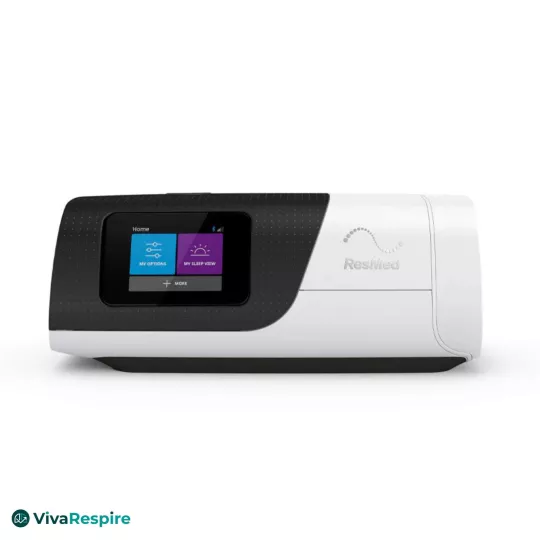
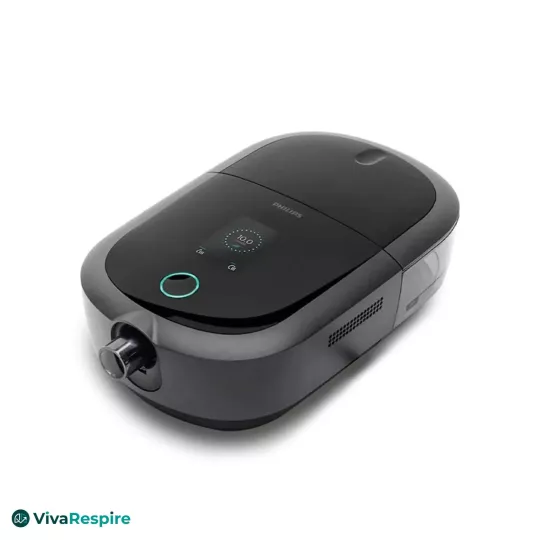
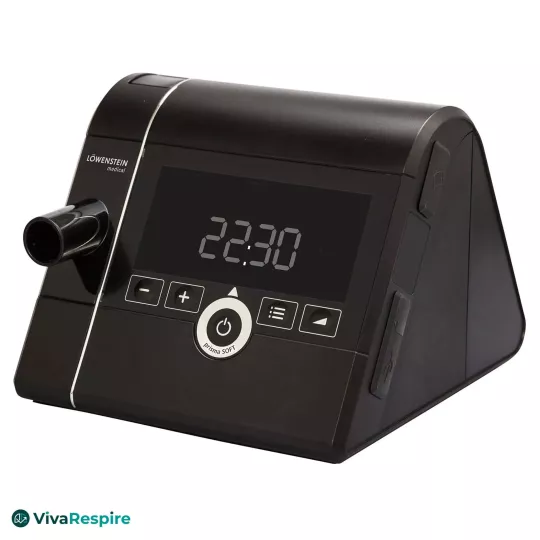
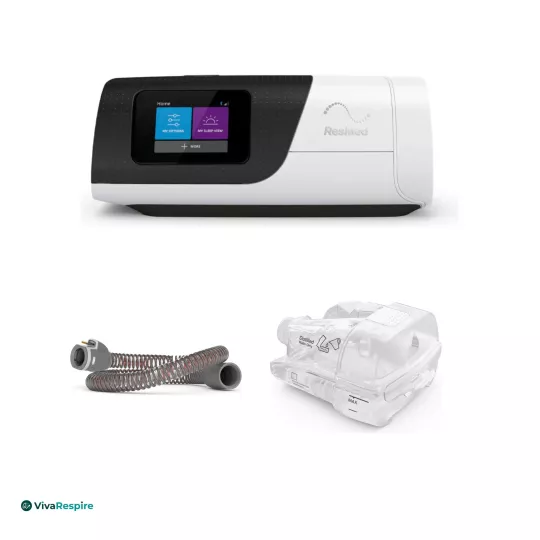
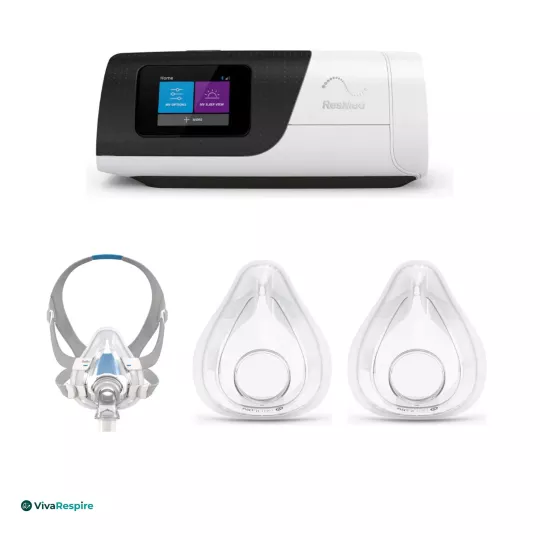
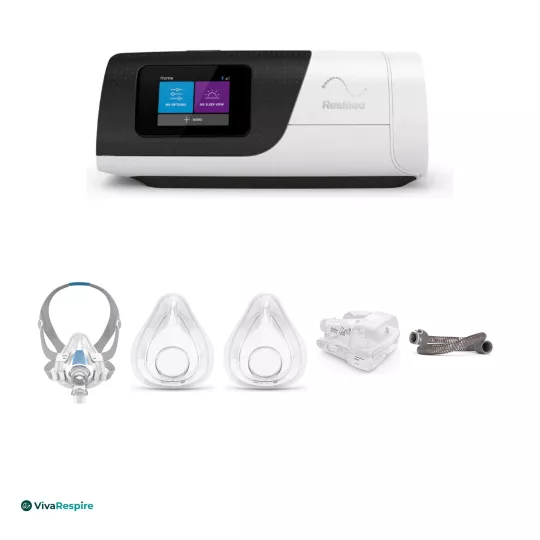
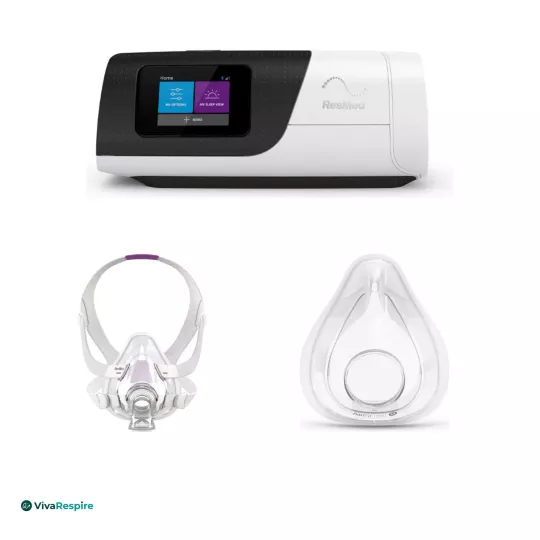
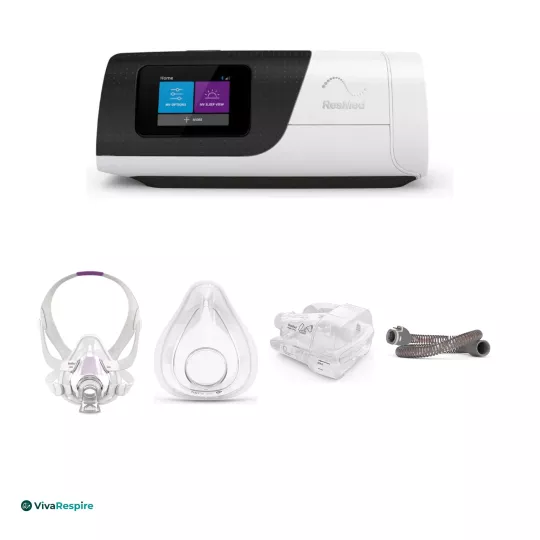
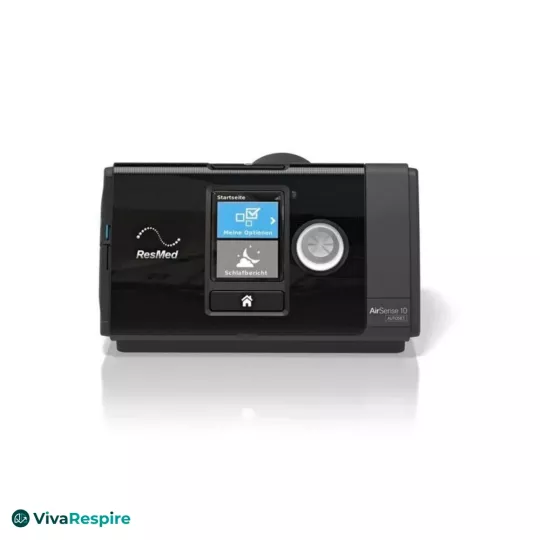
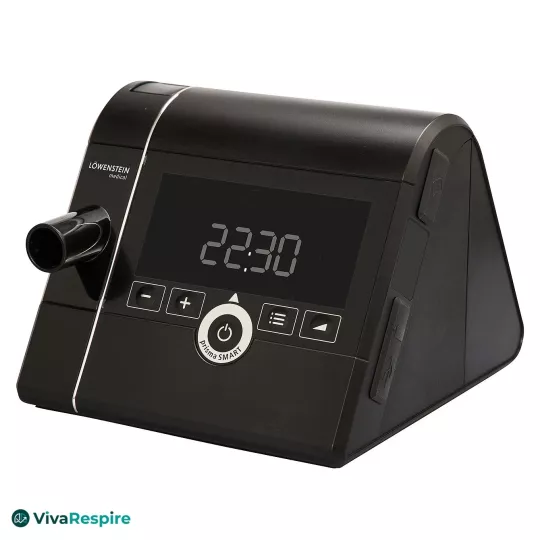
At VivaRespire, you'll find the three most used auto-adjusting models worldwide: ResMed AirSense 11 AutoSet, Philips DreamStation 2 and Löwenstein prisma SMART. All equipped with proven algorithms and smartphone connectivity.
Our Auto CPAP range
Frequently asked questions: Auto CPAP
Auto CPAP, APAP, Auto-CPAP: what's the difference?
No technical difference. All three terms describe the same principle: a CPAP that auto-adjusts pressure within a defined range. APAP stands for Automatic Positive Airway Pressure. Auto-CPAP and Auto CPAP are the same. On product sheets, manufacturers often use "AutoSet" (ResMed), "Auto" (Philips, Löwenstein).
Auto CPAP vs fixed CPAP: which one to choose?
Auto CPAP adapts to your instant needs: useful if pressure varies with position, REM, alcohol, congestion. Fixed CPAP always delivers the same pressure: enough if your need is stable. In first line, most prescribers go for Auto for comfort. Fixed remains relevant after months of titration once the optimal pressure is known and stable.
AirSense 11, DreamStation 2 or prisma SMART: which one?
The AirSense 11 AutoSet is the most used worldwide, with the most mature software ecosystem (myAir). The DreamStation 2 focuses on compactness and built-in humidifier. The prisma SMART is made in Germany, among the quietest (~26 dBA). If you start therapy or want a safe choice, the AirSense 11 is the safe bet.
What pressure range for my Auto CPAP?
The default range is 4 to 20 cmH₂O on most Auto CPAPs. Your doctor may narrow it based on titration: for example 6-14 cmH₂O if a polysomnography showed an effective pressure around 10. A narrower range stabilizes therapy; a wider range gives the algorithm more freedom. Always follow medical prescription.
Do I need a prescription for an Auto CPAP?
Yes. CPAP is a class IIa medical device. In most European countries, purchase requires a prescription from a doctor (general practitioner, pulmonologist or sleep specialist) stating the pressure range and auto mode.
Is an Auto CPAP more expensive than a fixed one?
Slightly, yes. For the same model, the self-adjusting version costs a little more than the fixed-pressure one, because it carries extra sensors and an algorithm. You can read the gap straight off the product pages above, and it is quickly offset by the comfort of self-adjustment.
Does an Auto CPAP suit all patients?
For most obstructive sleep apnea cases, yes. Some situations prefer fixed pressure or a BiPAP mode: severe central or mixed respiratory insufficiency, complex profiles, or patients very sensitive to pressure variations. Your prescriber chooses the mode best suited to your profile.
Is an Auto CPAP reimbursed in Belgium?
The Belgian INAMI/RIZIV convention does not work via purchase reimbursement but via convention: the approved sleep center provides the device on loan (you do not own it). VivaRespire is outside the convention: you buy your Auto CPAP and it is yours. To understand the difference, see CPAP reimbursement in Belgium.