En
En
 Français
 Nederlands
 Deutsch
 Español
 Italiano
New

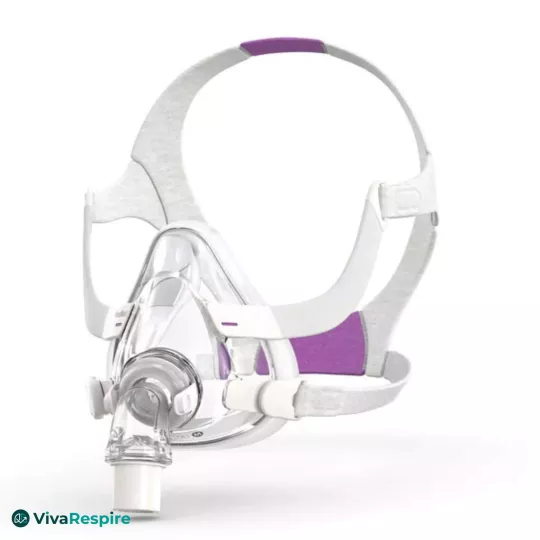
The CPAP mask is the centerpiece of your therapy: it is the interface between the device and your airways. A good mask delivers effective, comfortable, leak-free therapy. A poor mask choice is the leading cause of therapy abandonment.
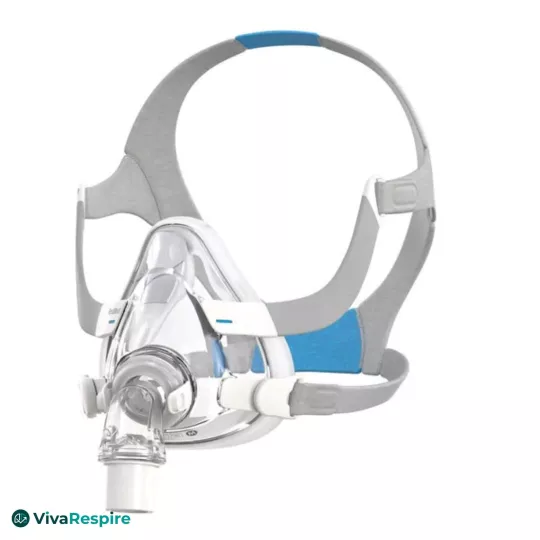
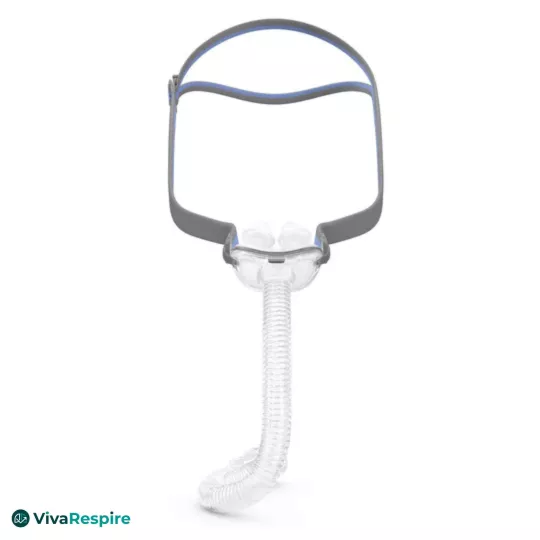
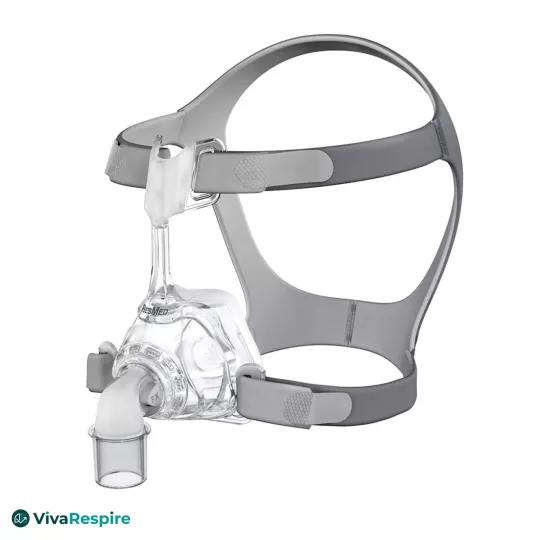
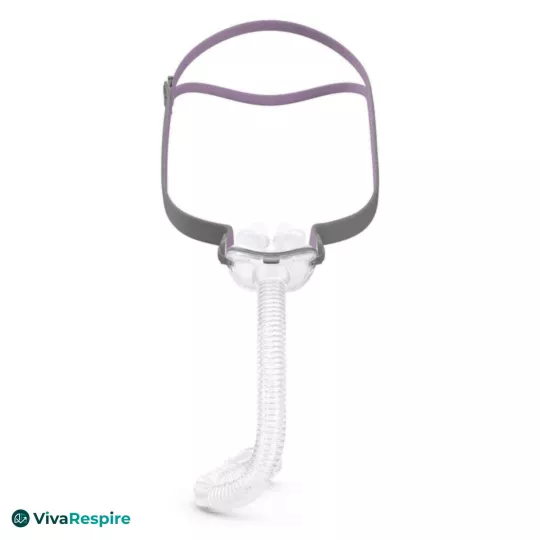
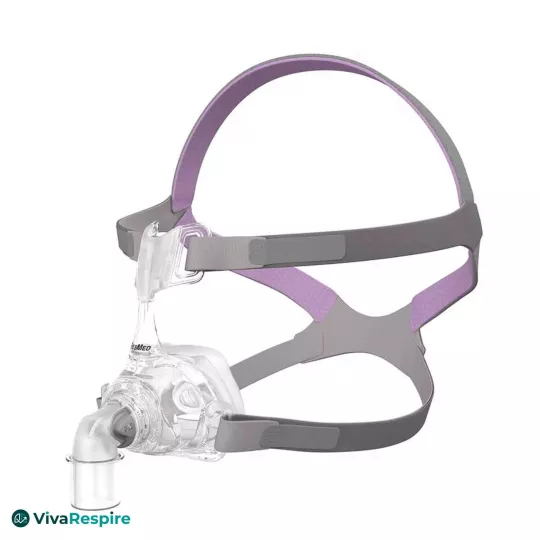
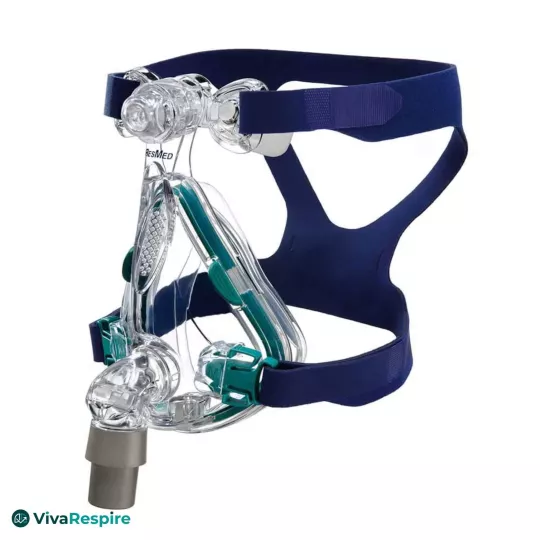
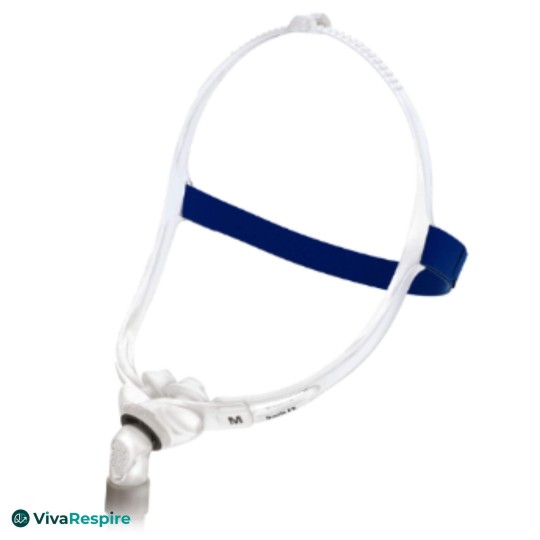
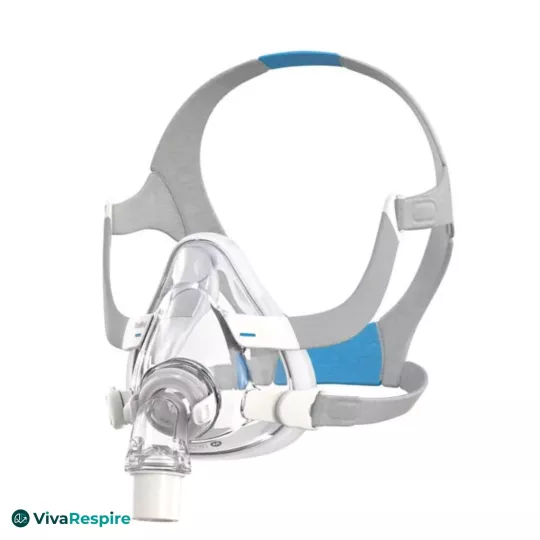
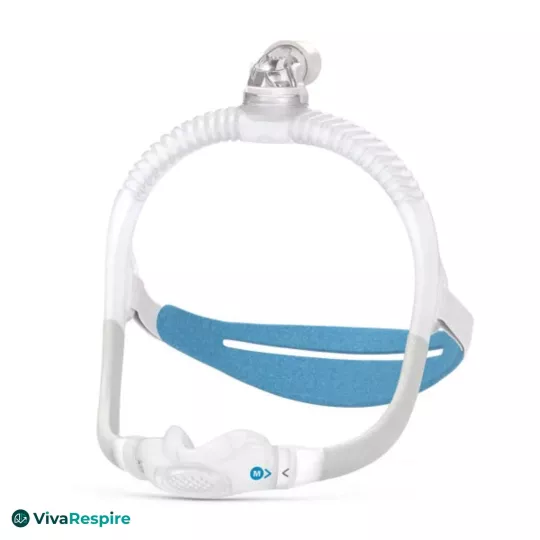
Four families exist depending on your breathing and morphology: full face masks, nasal masks, nasal pillow masks and CPAP masks for women. Market references: AirFit F20, AirFit P10, DreamWear, Evora.
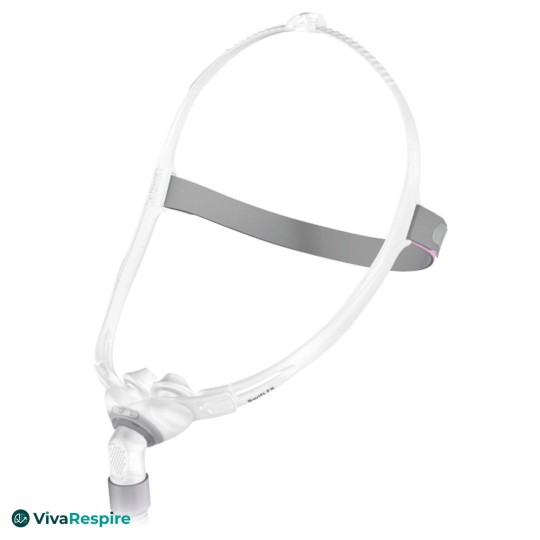
CPAP masks are critical components of sleep apnea therapy. They deliver pressurized air from the CPAP machine to keep the airways open during sleep.
Choosing the right CPAP mask is decisive for treatment effectiveness, nighttime comfort and long-term adherence. The right mask is forgotten on your face; the wrong one compromises therapy.
A CPAP mask channels pressurized air to your airways during the night. It prevents apneas, hypopneas and snoring by stopping upper airway obstruction.
A well-fitted mask improves comfort, limits air leaks and supports regular use of the therapy.
Several criteria guide the choice of a mask:
A trial fitting and proper adjustment are often necessary to find the most comfortable and effective mask for you.
All masks use a standard 22 mm connector and are compatible with any CPAP on the market: ResMed AirSense, Philips DreamStation, Löwenstein prisma, Sefam EcoStar.
There is no universal "best" mask. The right one depends on your morphology, nighttime breathing and sleep habits. As a starting point, the AirFit F20 (versatile full face) and the AirFit P10 (compact pillow) are safe references. If you sleep with mouth open, go full face. If you breathe through the nose and move a lot, go nasal pillow.
The pillow sits at the nostril entrance: ultra-light, discreet, perfect if you breathe through the nose and move at night. The nasal covers the entire nose: good comfort/stability balance, more tolerant than pillow at high pressure. The full face covers nose AND mouth: essential if you breathe through the mouth or have a stuffy nose.
Several signs: whistling at night (your partner often notices), dry mouth on waking (leak makes you breathe through mouth), frequent awakenings, reduced therapy effectiveness (residual apneas reported by your tracking app). First check headgear fit (not too tight), then cushion condition (deformed silicone = replace).
The mask cushion should be replaced every 3 to 6 months depending on use and perspiration. The headgear (straps) typically lasts 6 to 12 months. The mask frame keeps for several years. If you notice increased leaks or deformed silicone, time to replace.
Yes. All CPAP masks use a standard 22 mm connector and are interchangeable between device brands. You can use a ResMed AirFit on a Philips DreamStation or a Löwenstein prisma, and vice versa. Only exception: the ResMed AirMini requires specific "for AirMini" masks.
The cushion should be cleaned every morning with warm soapy water (mild, fragrance-free soap) then air-dried. The headgear is hand-washed in cold water once a week. Avoid alcohol, bleach and harsh detergents: they damage silicone and shorten lifespan. No washing machine or dishwasher.
With a short trimmed beard: yes, no particular issue. With a long or thick beard: it interferes with sealing at chin and cheeks, especially on full face masks. Solutions: switch to a nasal pillow (no contact with beard) or a compact nasal (DreamWear nasal). Otherwise, shave or trim very short the mask contact zones.
The price depends on the mask type, the brand and the cushion material. A nasal pillow mask is usually more affordable than a full face one, and a replacement cushion always costs far less than a complete mask. Once you know your size, replacing only the consumable is by far the cheapest route. Current prices are on each product page above.
What our customers say
Verified reviews from real CPAP patients across Europe.
Recent customer testimonials
J'ai commandé une CPAP Airsense 11. Arrivée rapidement. Tout est nickel.
Très bon site pour le matériel. Et il y a plein d'astuces et d'explications super utiles.
Belle expérience d'achat et j'ai eu réponse à toutes mes questions concernant le produit, prix et le suivi. Je conseille vivement si on veut avoir recours à un vrai professionnel du domaine.