En
 Français
 Nederlands
 Deutsch
 Español
 Italiano
New

CPAP bags and cases protect your device while you travel and keep it tidy at home. The bag that came with your CPAP is fine at home, but for travelling many patients prefer a dedicated bag: tougher, water resistant, or with separate compartments for the accessories.
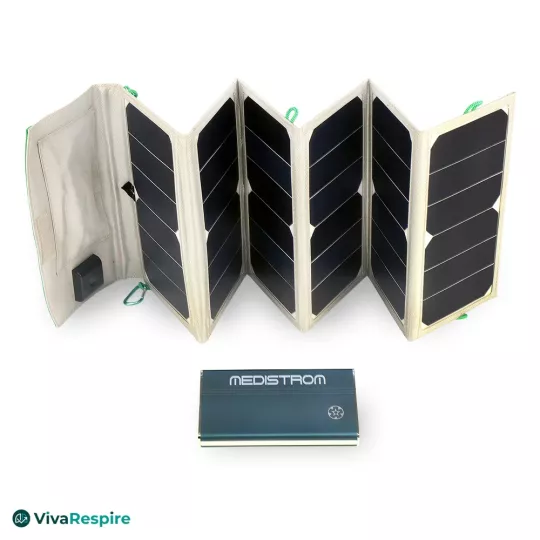
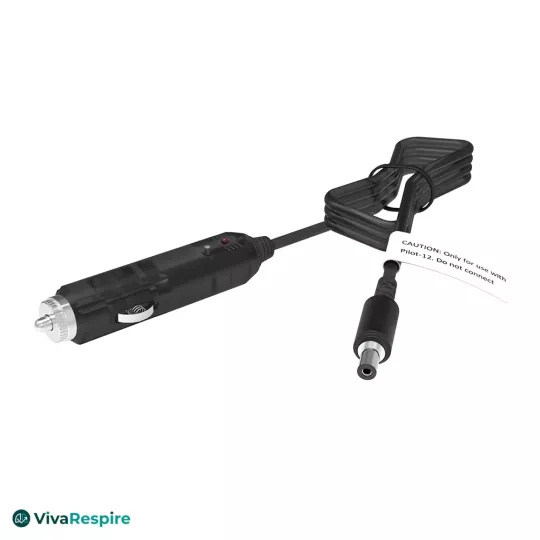
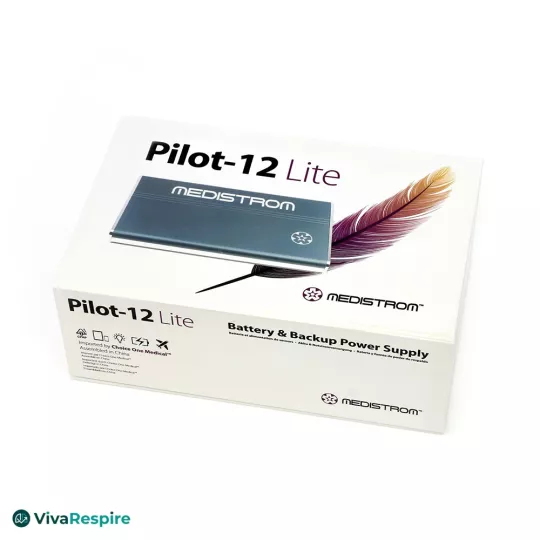
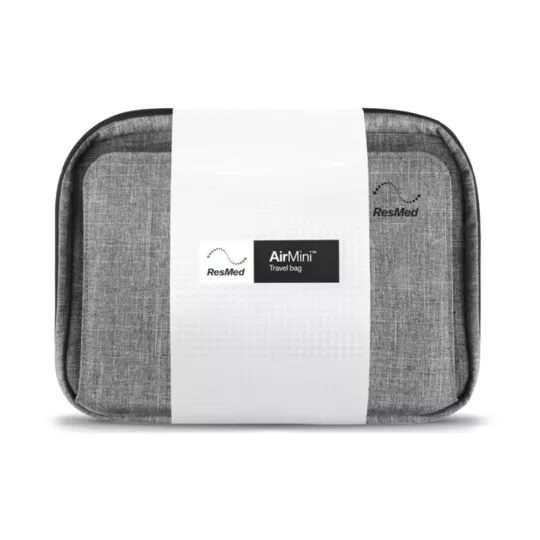
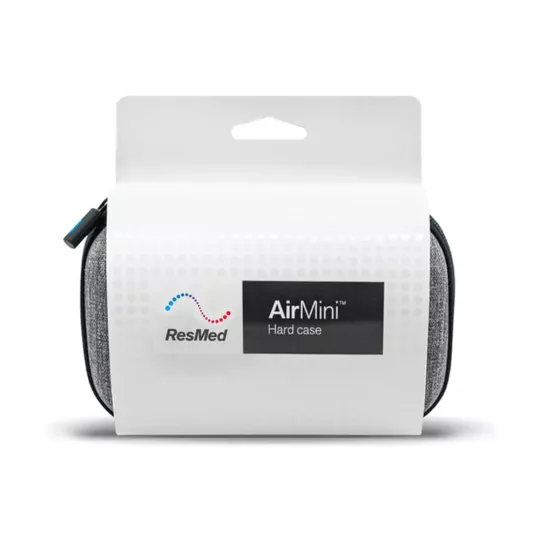
The catalogue is being expanded at VivaRespire. Official ResMed bags (AirSense 11, AirMini) and third-party travel bags are on the way. See also our travel batteries.
The CPAP bag is not a detail. It is what protects a medical device while you move around, keeps the accessories in order, and makes the difference between a calm trip and a luggage nightmare. Every CPAP comes with a bag, but for regular travellers a dedicated one changes things.
This category will gradually cover the official bags (ResMed, Philips) and third-party travel bags that fit any brand: rigid foam, water-resistant cases, bags with accessory compartments.
Most airlines accept CPAP equipment in addition to the cabin baggage allowance, as medical equipment. But this is neither automatic nor universal: the rules differ between airlines, and some require a declaration before departure. Do not travel assuming it will be granted.
See also: travel batteries and CPAP devices, including the AirMini for travel.
For a weekend or a short trip, yes: it protects the device and holds the basic accessories. For frequent or longer trips, a dedicated bag with compartments is far more practical. The original bag has no room for a travel battery or a full accessory kit.
Usually not: most airlines accept CPAP equipment in addition to the cabin allowance, as medical equipment. But this is not a universal rule, and the conditions vary between airlines. The habit that avoids a bad surprise: tell the airline before departure, ask for written confirmation, and travel with a letter from your sleep physician. At security, take the device out for the scan, as with a laptop.
Technically yes, but it is strongly discouraged. Three risks: knocks during loading, theft, and loss, bearing in mind that compensation for checked baggage is capped and generally does not cover the real value of a medical device. Keep your CPAP in the cabin. If you genuinely have no choice, use a rigid case and declare the device as fragile medical equipment at check-in.
The most widespread cabin standard is 55 × 40 × 20 cm, but it varies by airline, so check yours. For comfort, start from the size of the device: the AirSense 11 with humidifier is about 25.9 × 13.9 × 10 cm. A bag of roughly 35 × 30 × 20 cm leaves room for the device, the tube, the mask, the accessories and a battery, without being bulky.
It depends on the use. A plain handle: short trips, carrying by car. A shoulder strap: the best travel compromise, it frees your hands at the airport. A backpack: ideal on long journeys or if you are carrying other luggage, because it spreads the weight. An AirSense 11 with its battery and accessories comes to around two kilos, and at that weight your back stays the most comfortable option over time.
For ordinary travel, a water-repellent fabric or a rain cover is enough. A genuinely waterproof bag, with a stated protection rating, makes sense if you camp regularly, travel by boat, or cross very humid regions. Beware the false sense of security: shutting a still-damp device inside a waterproof bag keeps the moisture against the electronics. Always dry the device before putting it away.
Coil the tube in wide loops, never folded sharply: a folded tube keeps the kink. Put it in its own compartment so it does not crush anything. For the humidifier, always empty the water before transport, or a leak is guaranteed. If it stays clipped to the device, plan for a bag with reinforced foam, since the assembly is bulkier. For one to three nights, plenty of patients leave the humidifier at home and sleep without humidification.
Yes, several third-party brands offer bags that look like a laptop case or an ordinary travel bag, with no visible medical marking. Handy for anyone who would rather not advertise their treatment. The trade-off: without medical identification, an airline may treat the bag as ordinary cabin baggage and count it against your allowance. The compromise: a discreet bag, with the medical letter in the outside pocket, to hand at boarding.