 En
En
 Français
 Nederlands
 Deutsch
-10%
New


A CPAP device (or continuous positive airway pressure) is a medical device that blows pressurized air into the airways during sleep to keep them open. It is the reference treatment for obstructive sleep apnea, prescribed once the apnea-hypopnea index (AHI) reaches 15 events per hour.
VivaRespire offers machines from leading brands in direct purchase: ResMed AirSense 11, Philips DreamStation 2, Löwenstein prisma SMART and Sefam EcoStar. Auto-adjusting, fixed pressure, BiPAP or travel according to your prescription.
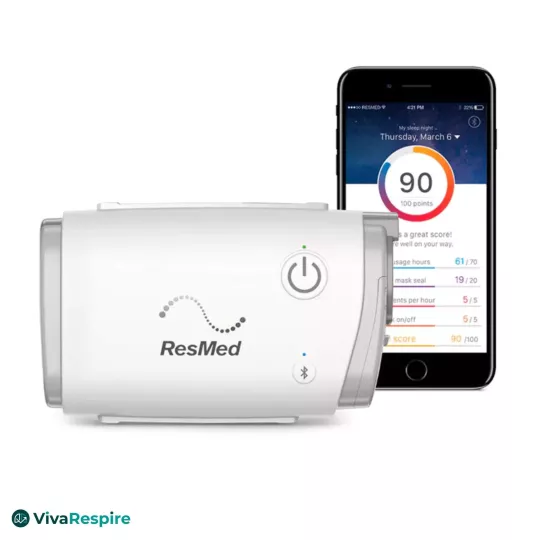
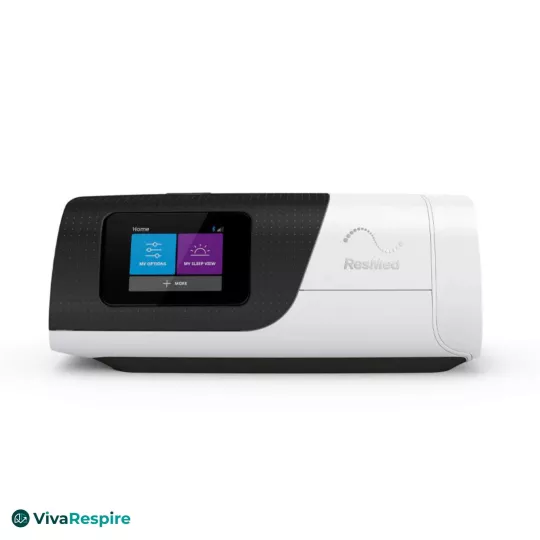
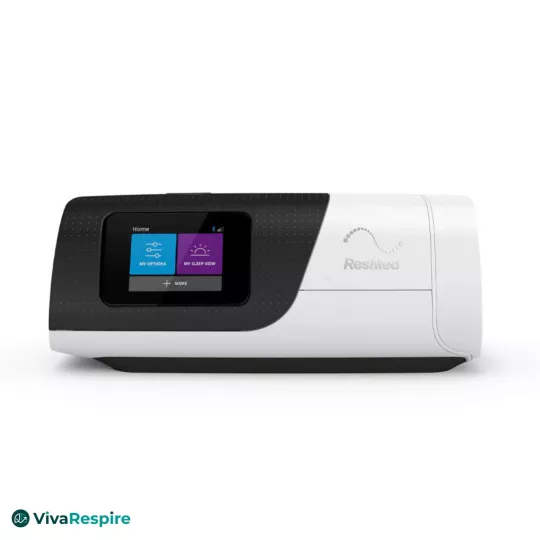
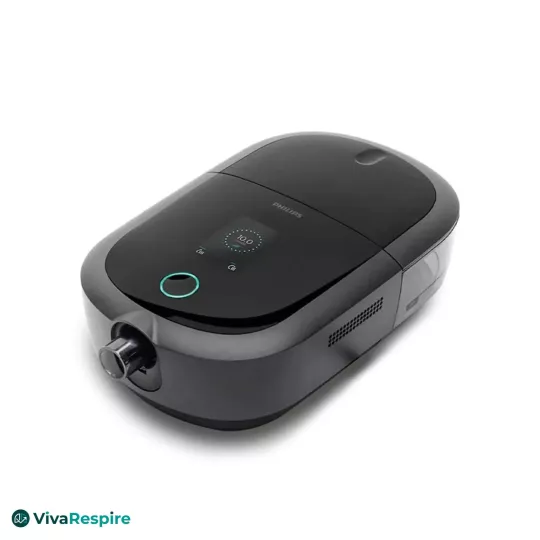

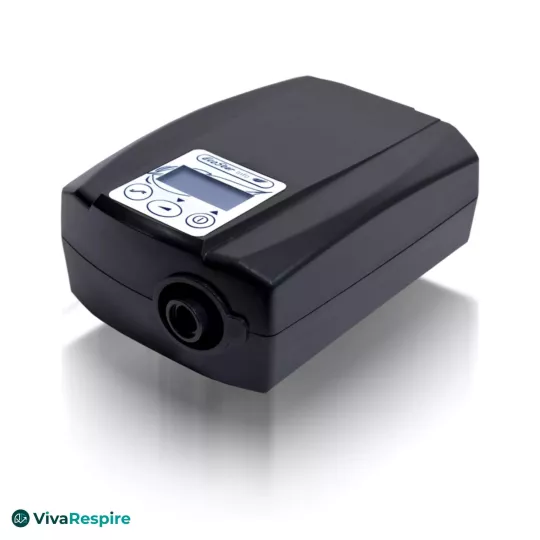
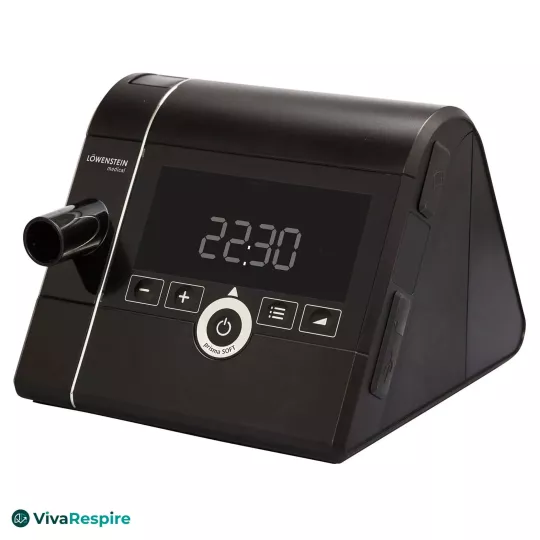
CPAP devices, also called PAP (Positive Airway Pressure), are medical devices used to treat sleep apnea. They keep the airways open during sleep through continuous pressurized air.
CPAP devices are prescribed in cases of obstructive sleep apnea to reduce breathing pauses, snoring and daytime drowsiness, while improving sleep quality.
A CPAP device prevents the upper airways from collapsing during sleep. By delivering pressurized air through a mask, it maintains stable, continuous breathing all night long.
CPAP therapy reduces apneas, nocturnal micro-arousals and the cardiovascular risks associated with untreated sleep apnea.
A CPAP device draws ambient air, filters it and sends it under pressure through a tube connected to a mask worn during sleep. This pressure keeps the airways open and prevents obstruction.
Some models include intelligent sensors that automatically adjust pressure based on breathing and detected respiratory events.
Several types of CPAP devices exist, suited to each patient's needs and comfort:
Several criteria guide the choice of a CPAP device:
Medical advice is generally needed to determine the model best suited to your situation.
A CPAP device (Continuous Positive Airway Pressure) is a medical device that blows pressurized air into the airways during sleep. This continuous pressure prevents the airways from closing and stops apneas. The air is drawn, filtered and sent through a tube connected to a mask worn all night.
A fixed CPAP delivers the same pressure all night (the one prescribed by your doctor). An auto CPAP adjusts pressure breath by breath within a defined range. Auto-adjusting is often more comfortable and now more commonly prescribed; fixed remains relevant when pressure needs are stable.
The AirSense 11 from ResMed is the most used worldwide, with the most complete software ecosystem (myAir). The DreamStation 2 from Philips is more compact and quieter, with built-in humidifier. The prisma SMART from Löwenstein is made in Germany, among the quietest on the market.
Yes. CPAP is a class IIa medical device. In most European countries, purchase requires a prescription from a doctor (general practitioner, pulmonologist or sleep specialist) stating the prescribed pressure or auto mode use.
The recognized efficacy threshold is 4 hours per night, at least 5 nights out of 7. This is also the criterion used by the Belgian INAMI for the CPAP convention. The ideal is of course to use it all night, every night, for the entire duration of sleep.
In Belgium, the INAMI/RIZIV system does not work via purchase reimbursement but via convention: the approved sleep center provides the device on loan (you do not own it), with a monthly cost of €7.50. VivaRespire is outside the convention: you buy your device and own it. To understand the difference, see our CPAP reimbursement in Belgium page.
At VivaRespire, expect around €520 for a fixed CPAP (AirSense 11 Elite) and €560 for an auto CPAP (AirSense 11 AutoSet). Travel models (AirMini) are €1,100 due to their ultra-compact format. These prices are direct purchase, without integrated humidifier (separate option depending on the model).
A well-maintained CPAP device lasts 5 to 8 years on average. Filters are replaced every 1 to 6 months depending on the model, masks every 6 to 12 months, and tubing every 6 to 12 months as well. The machine itself needs little maintenance: regular external cleaning and a filter dust check are enough.